
WHY HAS THE VALUE OF THE HUMAN TOUCH NEVER BEEN GREATER IN THE AGE OF AI ?
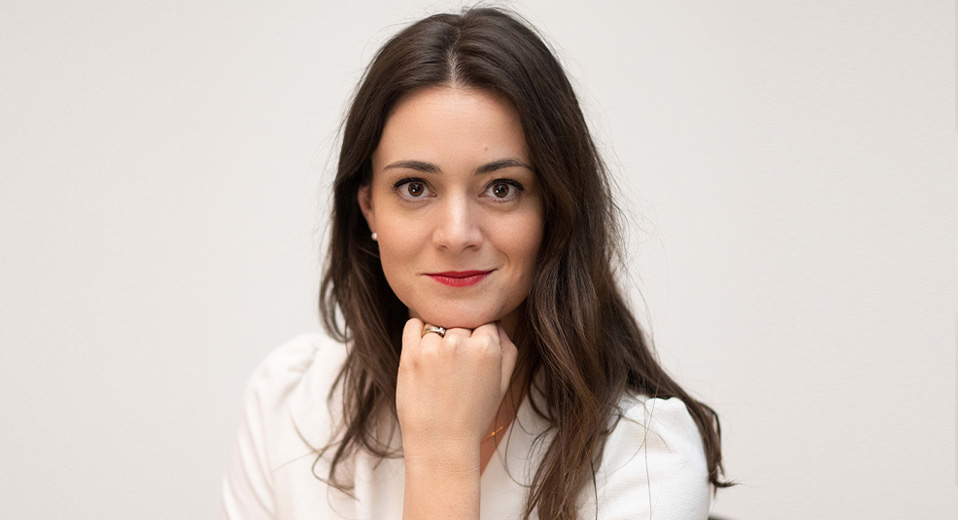
By Tiphaine Modeste | Founder of Expertise Spa Bien-Être (E.S.B.E)
Author of the book “Artisans of Beauty: Become True Business Owners”
Artificial intelligence is making its way into our industry, and it will continue to play an increasingly important role. Delphine Langlois, co-founder of LB Facialistes, puts it very well: AI will support beauty professionals and entrepreneurs in their daily work, particularly with time-consuming administrative tasks, but also in supporting their clients, through increasingly personalised and targeted treatment programmes.
And yet, the more this technology advances, the more one question comes up among the professionals I work with: what will truly remain mine in all of this?
The answer can be summed up in one word: touch.
What becomes widespread loses value; what remains rare gains it
It is a simple, almost economic principle. When a skill becomes widely accessible, it becomes a standard. And what remains rare and difficult to replicate becomes valuable.
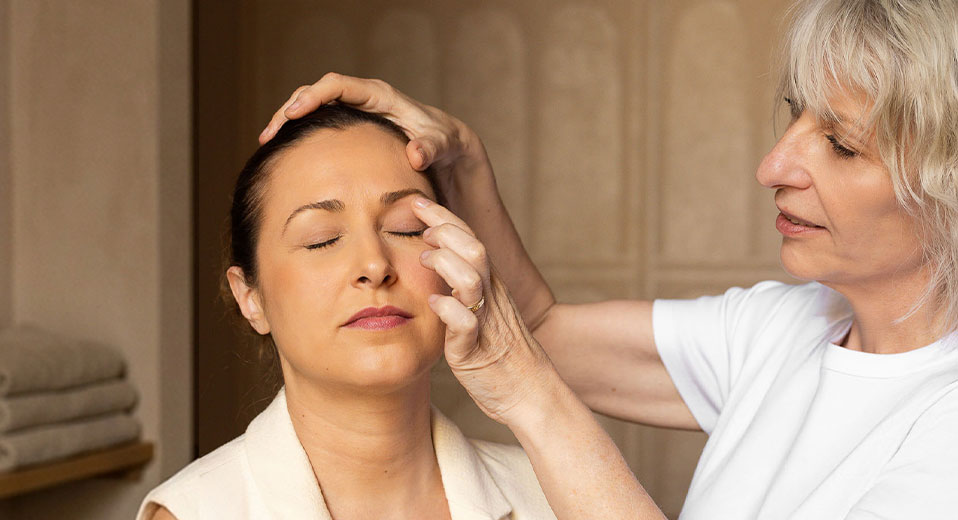
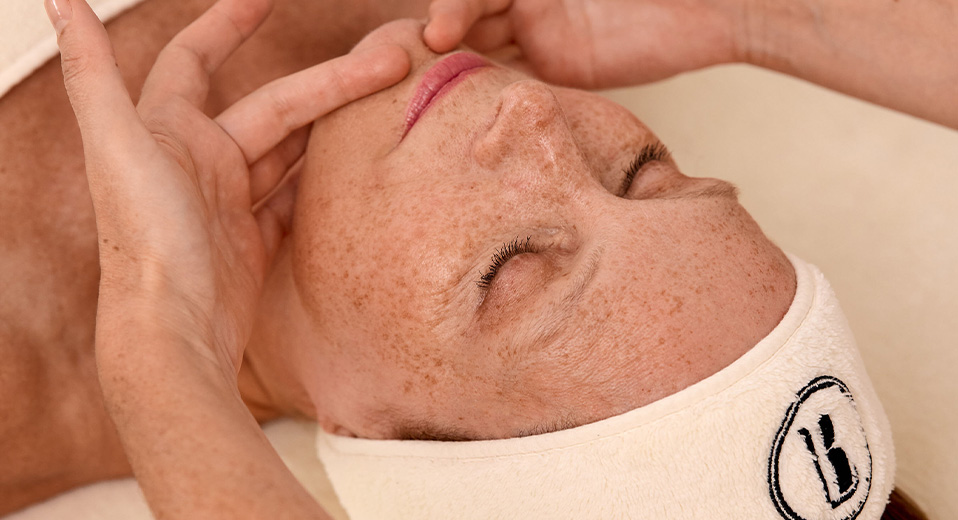
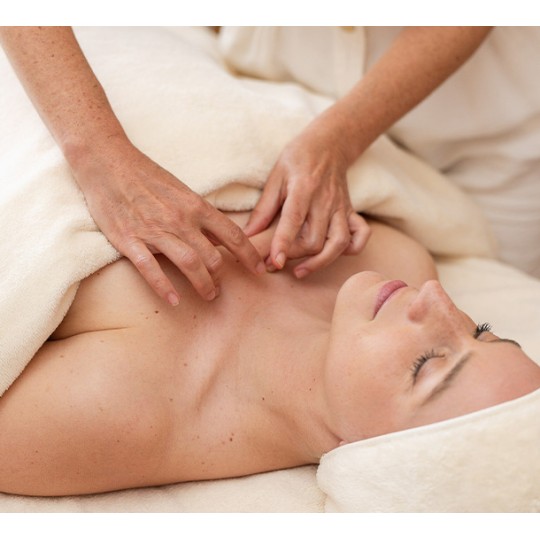
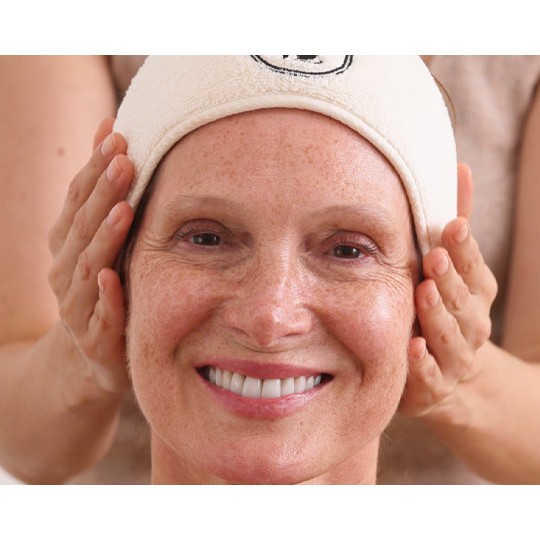
The human touch — the ability to sense muscle tension, the warmth of an area, or a client’s state before she has even spoken — cannot be automated. It is passed from one pair of hands to another, refined over the years, and strengthened through repetition and attention. No platform, however sophisticated, can reproduce this form of intelligence.
And that is precisely why it is becoming a true point of differentiation. In an industry where AI will standardise part of professional practice — through standardised diagnostics and automatically generated programmes — the practitioner whose hands know exactly what they are looking for becomes a value proposition in its own right.
What I truly believe: AI as a tool to refine the hand, not replace it
Here is what I observe, and what I deeply believe: a beauty professional who uses AI intelligently does not lose manual expertise. She gains it.
Because when used effectively, AI frees up time. Time spent on administration, treatment preparation and day-to-day management. And, in my view, that time only has real value if it is reinvested where it truly matters: training, practising and refining one’s technique.
It becomes a virtuous circle. The more time a professional frees up through AI, the more hours she can devote to perfecting her skills. The more her technique improves, the rarer and more sought-after the experience she offers becomes. AI does not compete with manual expertise. When used with intention, it can become its greatest ally.
The example of expertise built over time
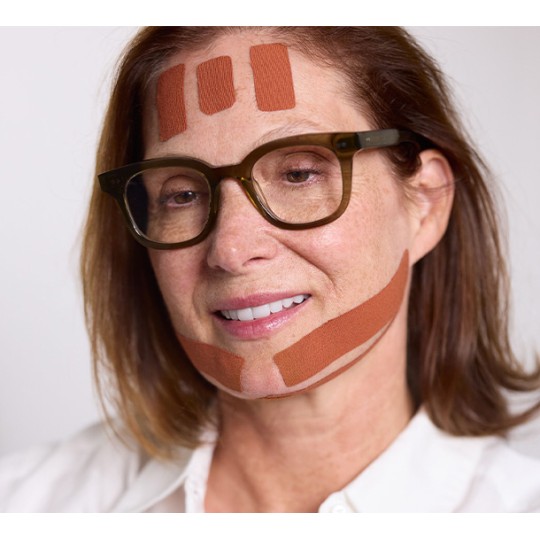
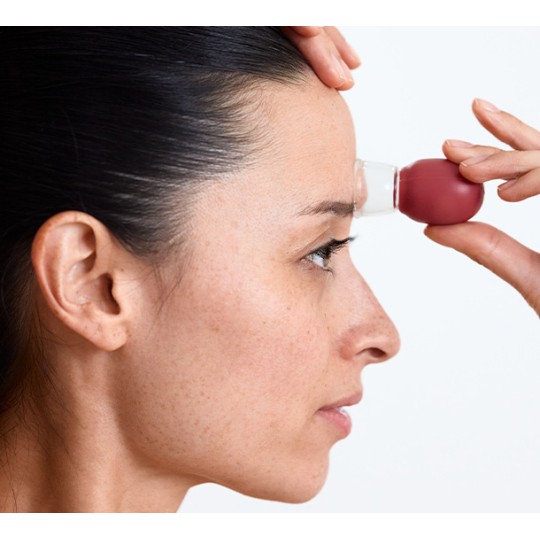
This is exactly what I observe at LB Facialistes. Their Method, founded by Catherine Bourgeois and Delphine Langlois, is based on precise techniques designed to release everyday tension and support skin longevity. A technique that did not come into existence because an algorithm generated it, but because two founders took the time to refine it, year after year, gesture after gesture.
This level of expertise remains beyond the reach of AI. And it is precisely this level of expertise that AI, when used effectively, can help professionals continue to build by freeing up the time needed to do so.
Delphine sums up what I believe very well: “I think AI is a wonderful tool for teaching us things, helping us grow and stimulating our creativity.” And she is right to highlight this: a study she refers to shows that professions carried out with the hands, the heart and direct contact with clients, such as craftsmanship, are among the professions of the future. This is no coincidence. It is because these are professions in which human presence cannot be replaced.
What to take away
AI does not threaten your touch. If you know how to use it, it can give you the time to make it even more precise, even more personal, and even more sought-after by your clients.
The real question, therefore, is not “Will AI replace my profession?” It is: “What will I do with the time it gives me back?”
If you reinvest that time in your hands, your ability to listen and your expertise, then AI will never have served your added value more effectively.
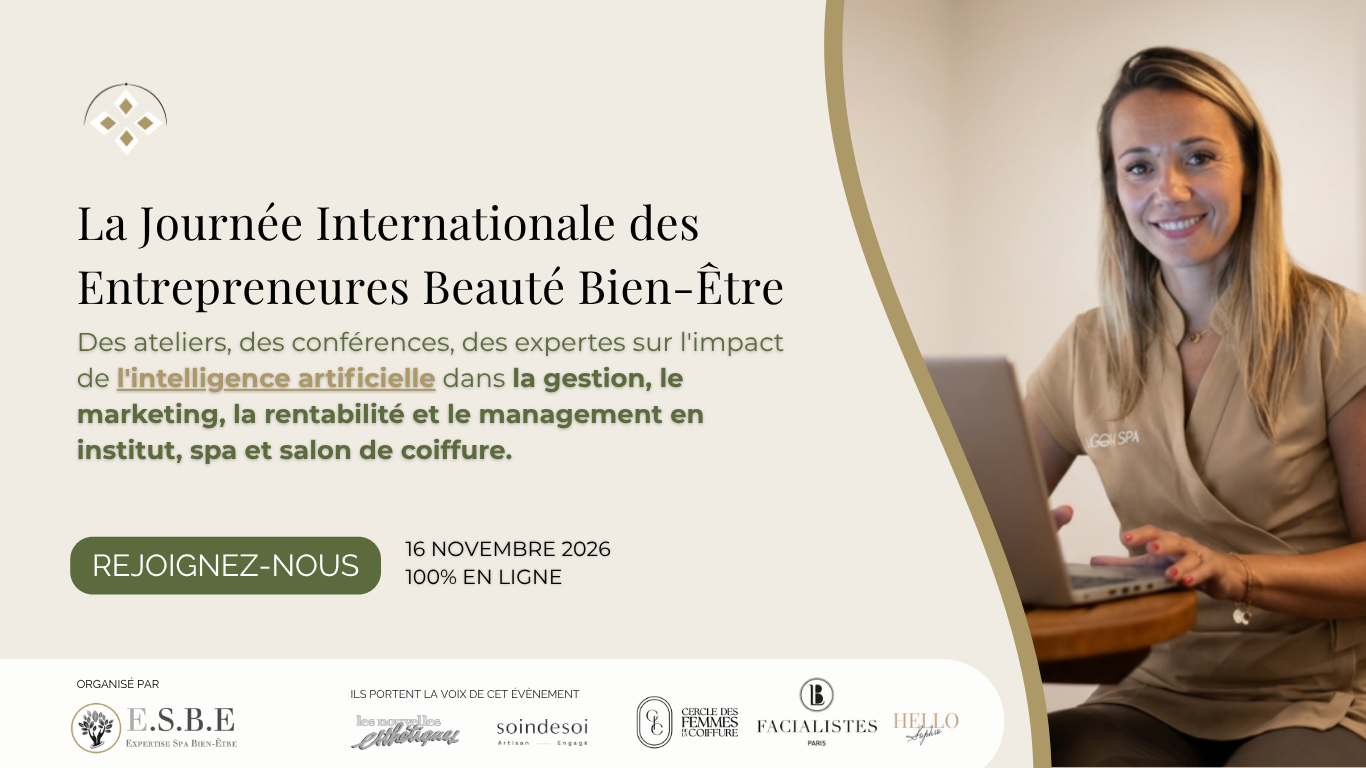
This is exactly the topic we will explore together on 16 November 2026, during the first edition of the International Day of Beauty & Wellness Women Entrepreneurs.
Catherine Bourgeois, co-founder of LB Facialistes, will also be hosting “La Pause Régénérante”, a Skin Longevity masterclass introducing participants to the LB Facialistes Method and helping them release everyday tension, from 1:05 p.m. to 1:25 p.m. Reserve your place.
Tiphaine Modeste Founder of E.S.B.E
Can artificial intelligence replace a beauty therapist?
Artificial intelligence can help facilitate or automate certain tasks related to the management, communication and organisation of a beauty salon. However, it cannot replace manual expertise, the quality of touch, observation, or the human connection that develops between a professional and their clients.
How can AI be used in a beauty salon?
AI can support beauty professionals with a wide range of tasks, including administrative management, content creation, organisation, client follow-up and the personalisation of certain recommendations. The goal is not to replace professional expertise, but to free up time so practitioners can focus more on massage, hands-on practice and client relationships.
Why does manual technique remain essential in the beauty industry?
Manual technique relies on skills that develop through training, experience and repetition: precision, dexterity, adapting pressure and personalising each protocol. Since every client and every face is different, this ability to adapt remains at the heart of expertise in the beauty and wellness industry.
What skills should beauty professionals develop as artificial intelligence continues to evolve?
The more technology evolves, the more human expertise becomes a point of differentiation. For beauty professionals looking to deepen their practice, specialising in facialism offers the opportunity to develop a more precise understanding of the face, refine their technique and learn how to create bespoke facial massages.
You might also like